The Kingfisher Diaries
'As kingfishers catch fire...'

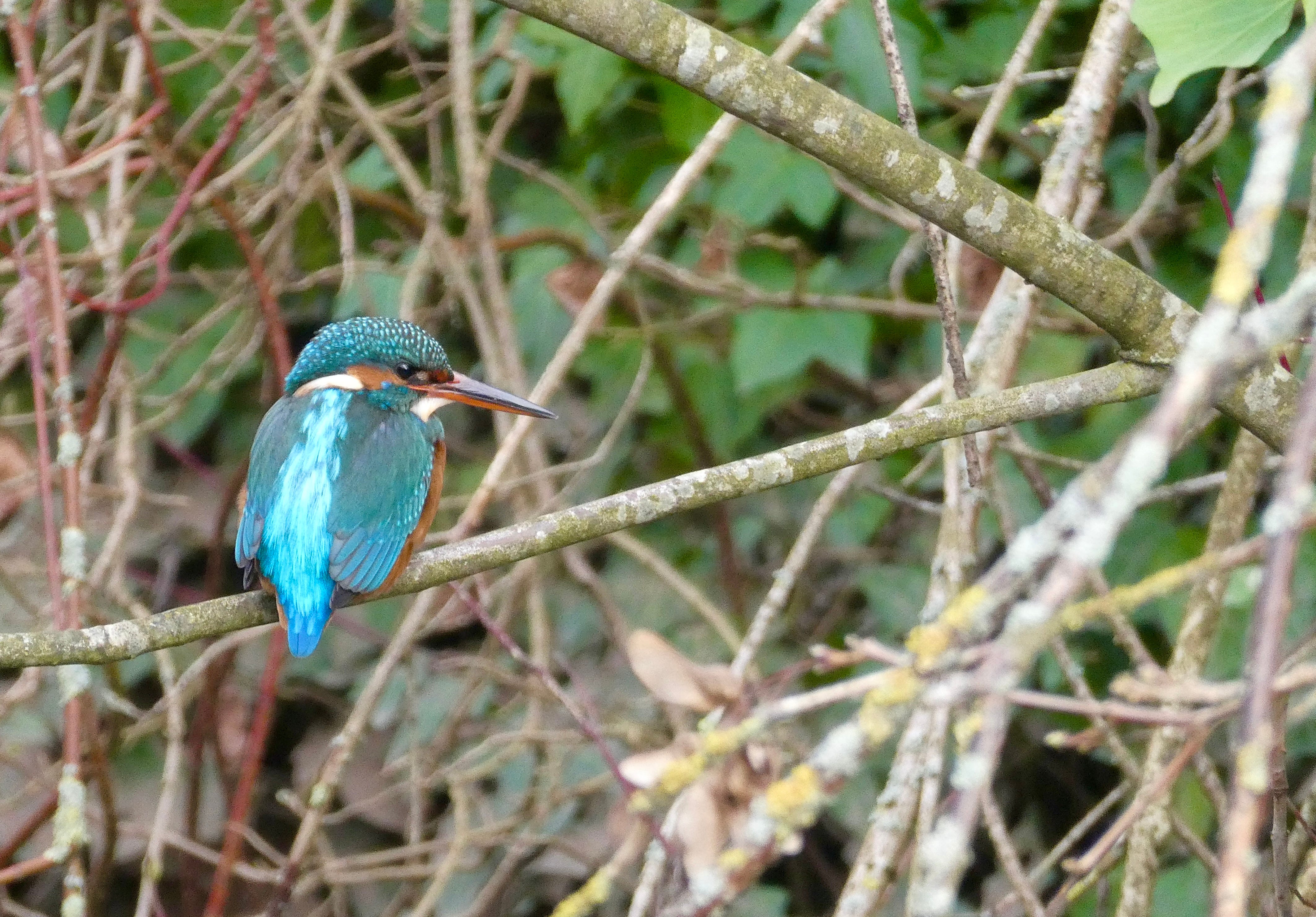
I nearly named this blog ‘The Kingfisher Diaries’, and I’ve already mentioned kingfishers a couple of times, so the title would not be inappropriate. As those of you who already follow me on social media will know, I have found a new hobby in the last few years, spotting kingfishers near the Exe river and the canal near where I live.
But this story starts somewhere else a few years previously… One year we went for a walk just after Christmas in Keynsham park. It’s a nice little park for a winter stroll when the days are short and you don’t want to trek through mud. While we were there, I spotted my first kingfisher in a stream. Just a flash of blue, but unmistakable, and exhiliarating.
I saw my second kingfisher on a walk on the Thames Path near Goring-on-Thames. Again, that flash of blue, and in a location you might expect it, a slow-running river.
The Kingfisher Capital (of Devon)
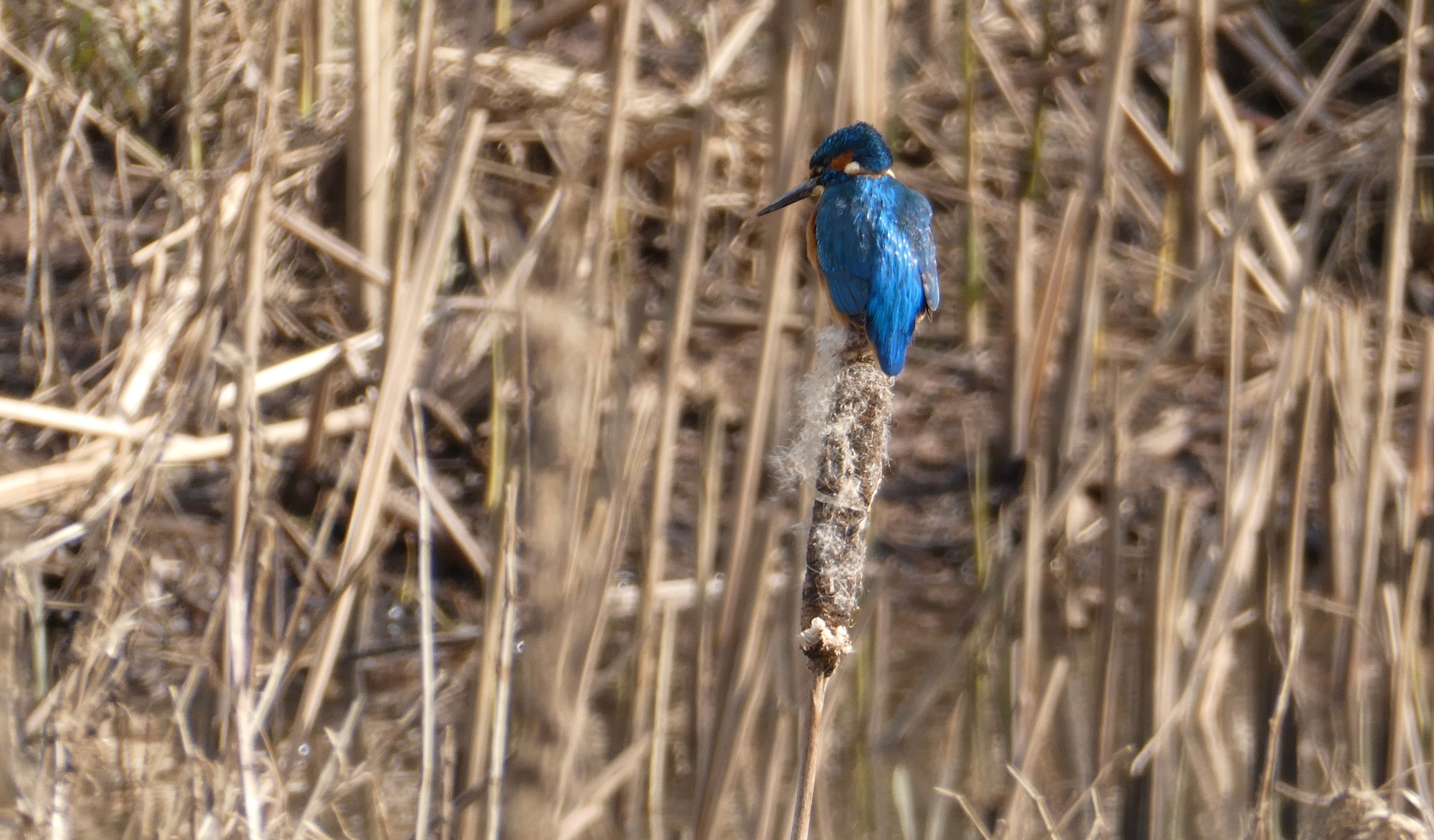
When we moved to Exeter, I had no idea there were kingfishers nearby, but one day I saw one in the Riverside Valley Park, not far from Exeter Quay, sitting on some bulrushes. I was so excited. The kingfisher was quite far away so I didn’t take a great picture, but it was the first picture I had ever taken of a kingfisher.
Since then, I’ve seen them in all sorts of places locally. During the winter months (from about November to March) you might see one or even two several times a week if you take a regular walk and know where to look. (I’ve included some top tips for kingfisher spotting below).
Kingfishers are actually a common bird species - albeit one with a defined habitat. Their reputation for being difficult to spot stems from the fact that they only stay still for brief periods (although when they are still, they are very still) before diving into water or flying very fast in the opposite direction. It’s worth adding that they are fairly small birds, somewhere between a robin and a blackbird in size. I certainly thought for a long time that they were much bigger than that - we have been fooled by telescopic lenses and professional photographers!
Close Encounters with Kingfishers
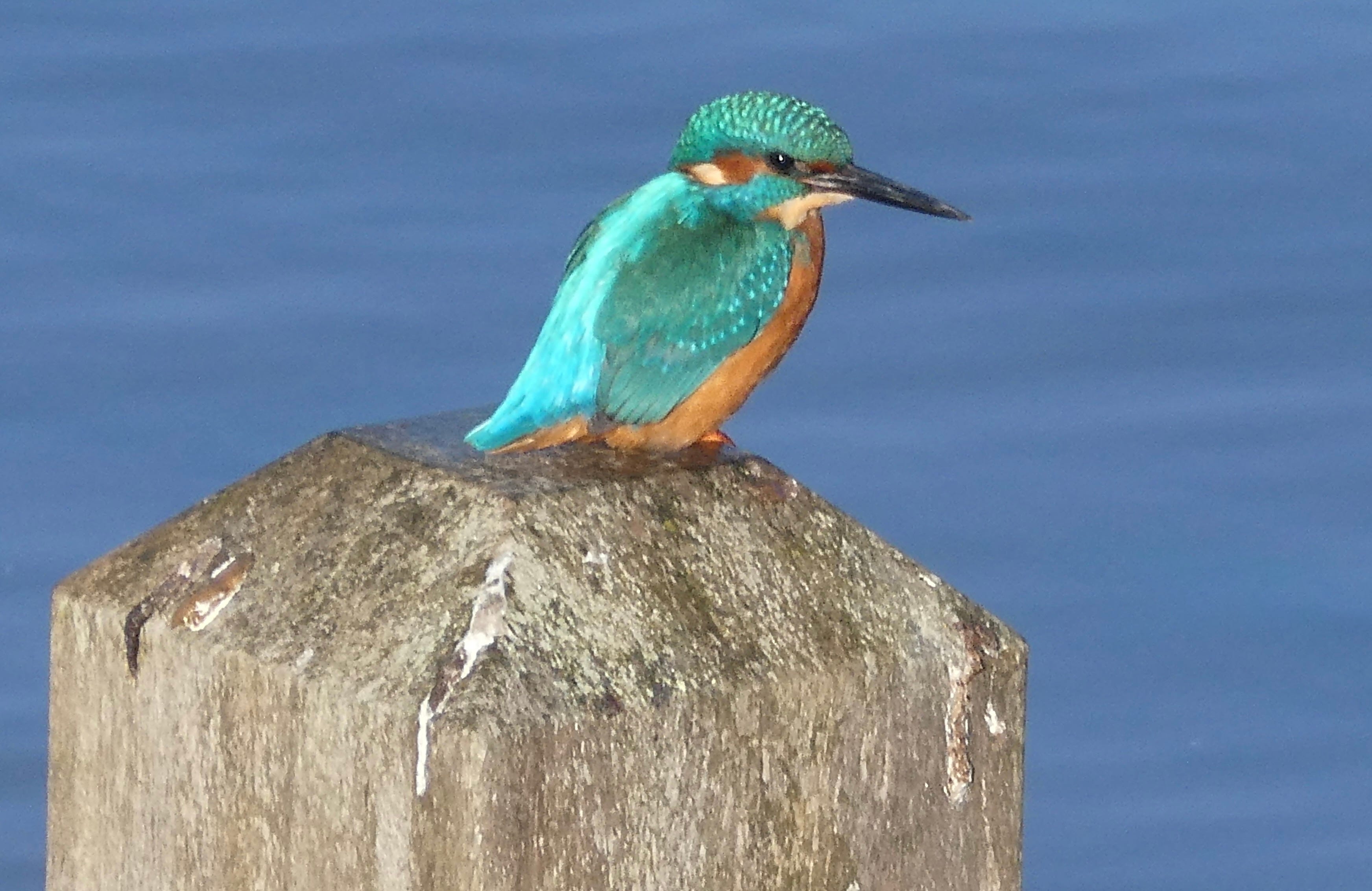
Some of my kingfisher spots include seeing them perched on a tree branch on top of the weir; on the railings of the Quay right next to the footpath; on the branch of some birch trees by the river; on an old shopping trolley, half submerged in the Exe; on some branches in a small leat next to a corner shop where people dump rubbish; on bulrushes (classic!); under a cycle bridge; flying over the canal path; on a tree some metres from the canal; on a wooden post near the river; flying over the bridge during my run; perched on a boat in the boatyard.
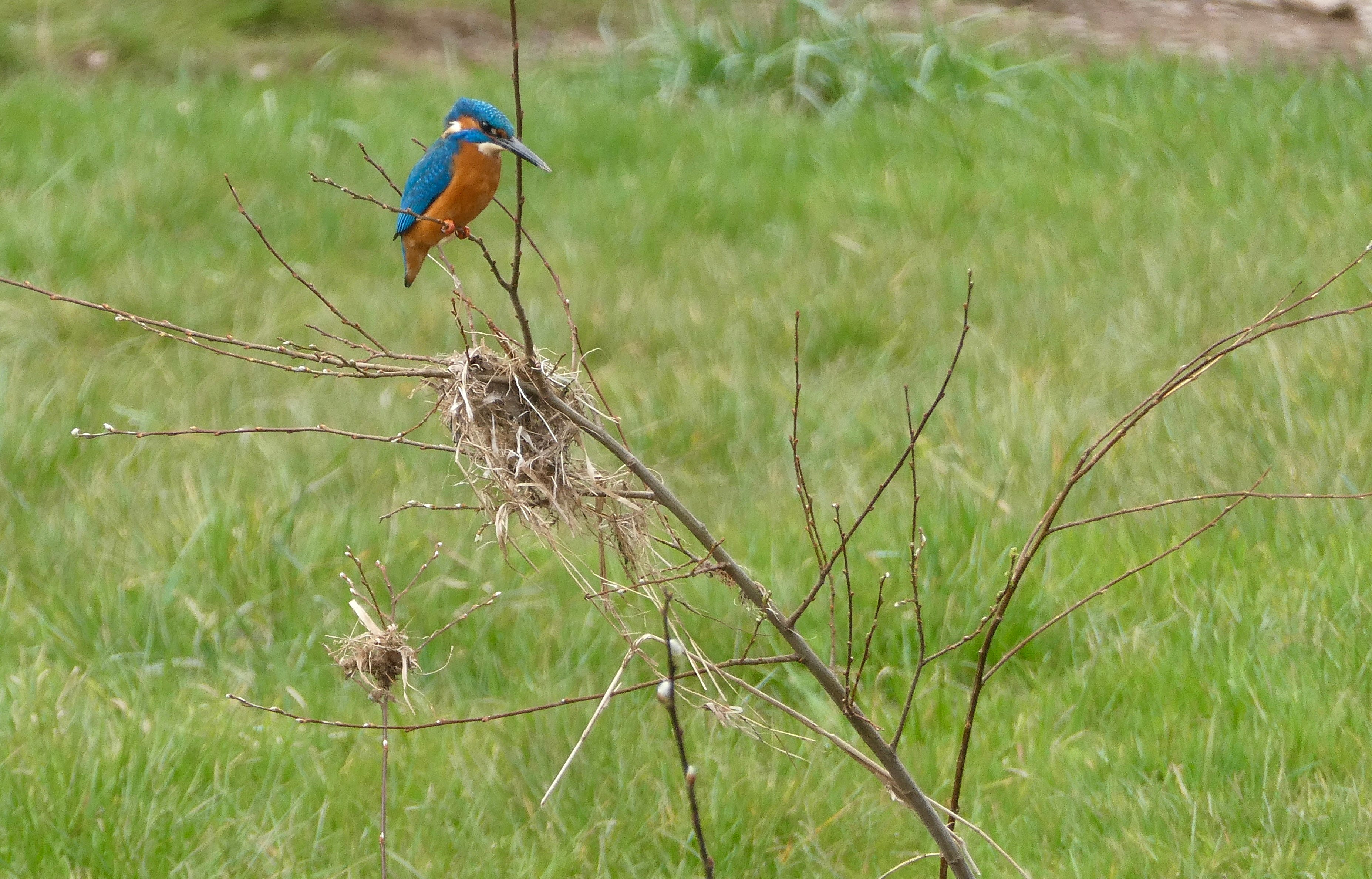
I can’t list them all, but I have had a few favourite kingfisher encounters….
One morning I was on a walk around the Quay when a kingfisher started up from the side of the canal and flew under the bridge in front of me. At precisely the same time, there was a couple walking their dog, and the dog was right under my feet. They apologised and I said I didn’t mind. By way of explanation, I said I had been looking at the kingfisher. They looked where I was pointing and saw a kingfisher graffiti on the bridge. “Oh, not a real one!” they said, sounding disappointed.
“No, a real one!” I said. “There are lots around here.”
‘As kingfishers catch fire…’
One of the points of this anecdote is that other people don’t always spot the kingfisher even when they are standing or walking right next to it, and kingfishers don’t necessarily care if there are humans or indeed dogs nearby for that matter!
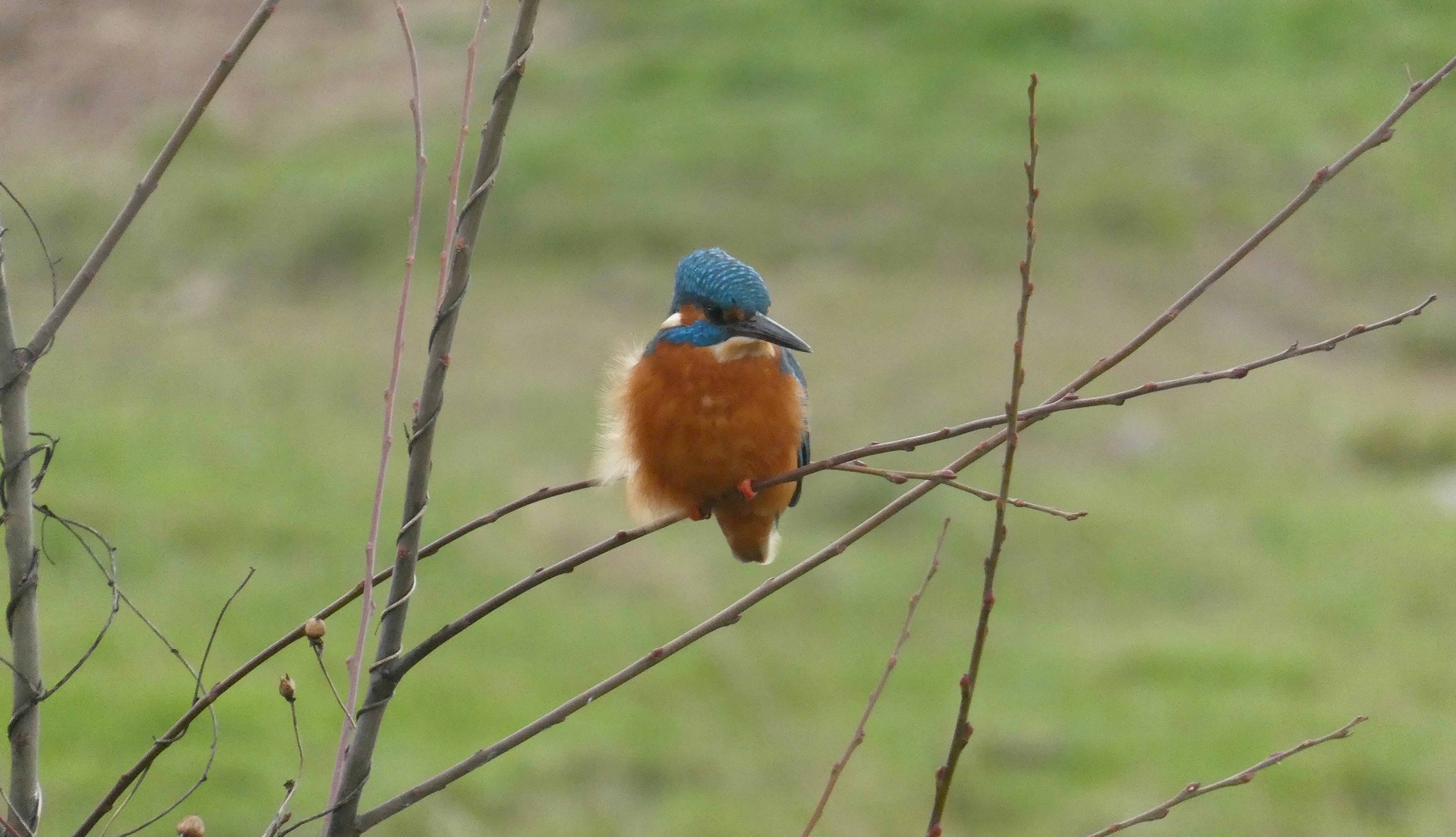
Gerard Manley Hopkins famously used the phrase ‘as kingfishers catch fire…’ in his poem of the same name. I suppose he may have been referring to that amazing bright blue streak on their backs, but I have wondered if he actually meant the bright burning orange on their breasts, which you might well spot before the blue if they are facing towards you. Another point to note is just how much the colour of their plumage seems to change depending on the light, from a bright aquamarine in direct sunlight to a dark lapis lazuli blue in dull weather. It’s hard to say what a typical ‘kingfisher blue’ is.
Gone Fishing
Typical kingfisher behaviour involves perching on branches while trying to spot fish, periodically diving into the water head first, skewering fish with their spear-like beaks. If they succeed in this, they fly a short distance to eat the fish. If unsuccessful, they will fly some distance to a new hunting ground. Since their diet consists of fish, they usually follow the water course, although they will sometimes fly across land to get to another spot. Usually they perch pretty close to the water on whatever is convenient, which may mean them bobbing about while clinging to a thin reed if its windy. I saw one once which was perched quite high above the water in a tree and diving down from a height into the river, which made a comically loud plopping sound (‘splosh!’), but I suspect it was a juvenile and not as adept at diving as others. Occasionally, I’ve seen them flying along a water course and hovering in the air above it before making a sudden dive almost like a kestrel.
They are generally solitary, but I’ve seen them chasing each other, which is presumably a territorial behaviour. When kingfishers are looking for a mate they will also start to share the same space, rather cautiously at first…
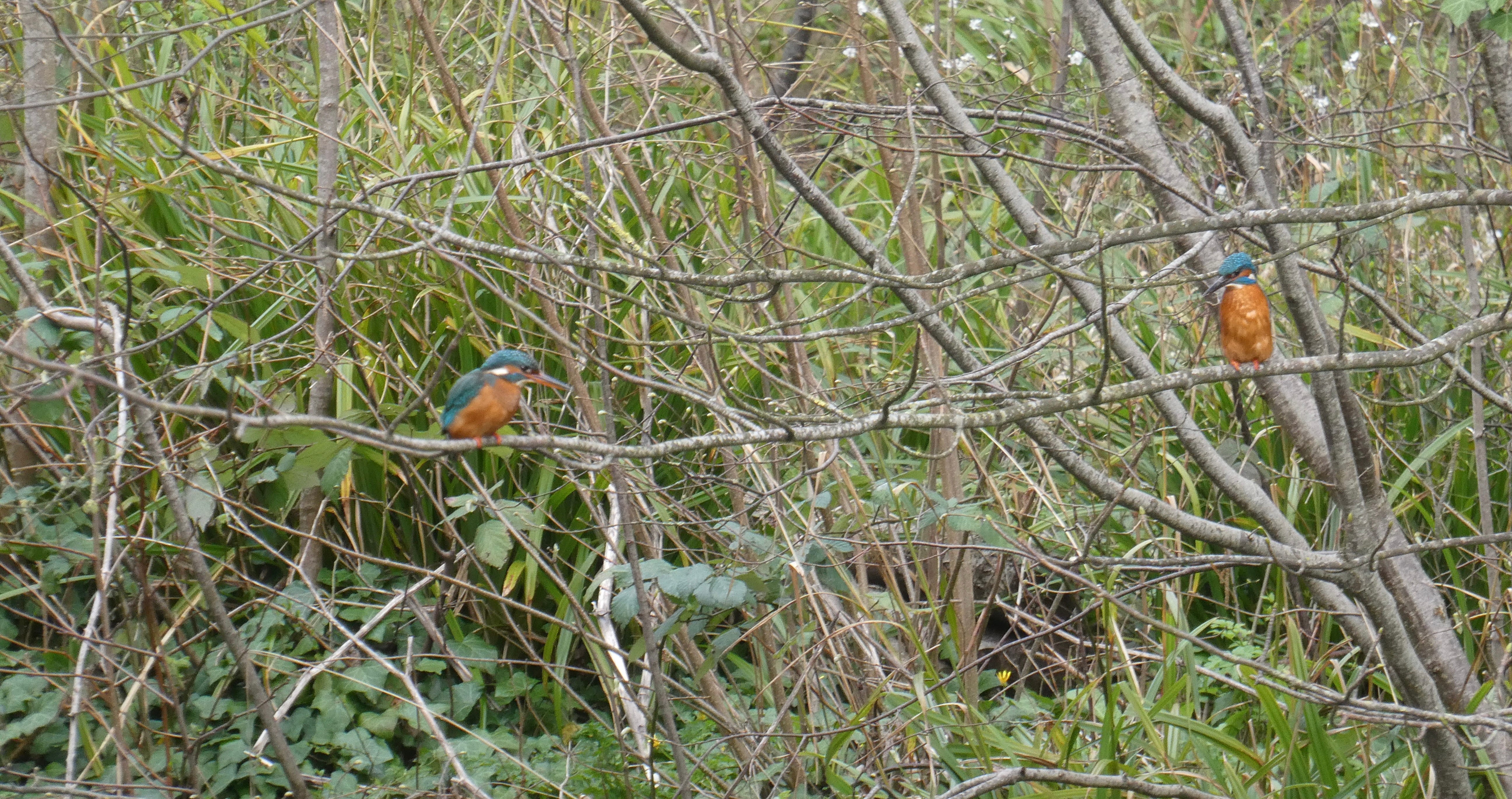
Once I saw two kingfishers on the same tree stretching out their necks to display their plumage, as a familiarisation exercise. The male will also offer the female a fish, to show how good he is at hunting. If she accepts, that’s a good sign!
The Joy of Kingfishers
Seeing kingfishers always fills me with an immediate sense of excitement. I’m very fortunate to have a strong sense of wonder, which has lifted me in the dark and dreary times of my life. With their bright, unmistakeable plumage and bold, devil-may-care attitude, kingfishers have become a symbol of hope for me, a sign of light just around the corner, a sign that when things seem a bit bleak there’ll be a bright spot on the horizon.
Top tips for spotting kingfishers:
1. They prefer shallow, slow-running, clear water, the better for catching fish.
2. They generally perch on things up to a metre away from the surface of the water (branches, reeds, railings).
3. They have a distinctive call ('kee, kee' sound). You will often hear one before you will see it.
4. You might spot the orange plumage before the blue.
5. They return to the same spots, so it is worth checking if you saw one before in the same place.
6. You are most likely to see a kingfisher flying very rapidly away from you.
Good luck with your kingfisher spotting!
This is so exciting, thank you for sharing. I will have to Google to see if there are kingfishers in my area! Xxx Ellie